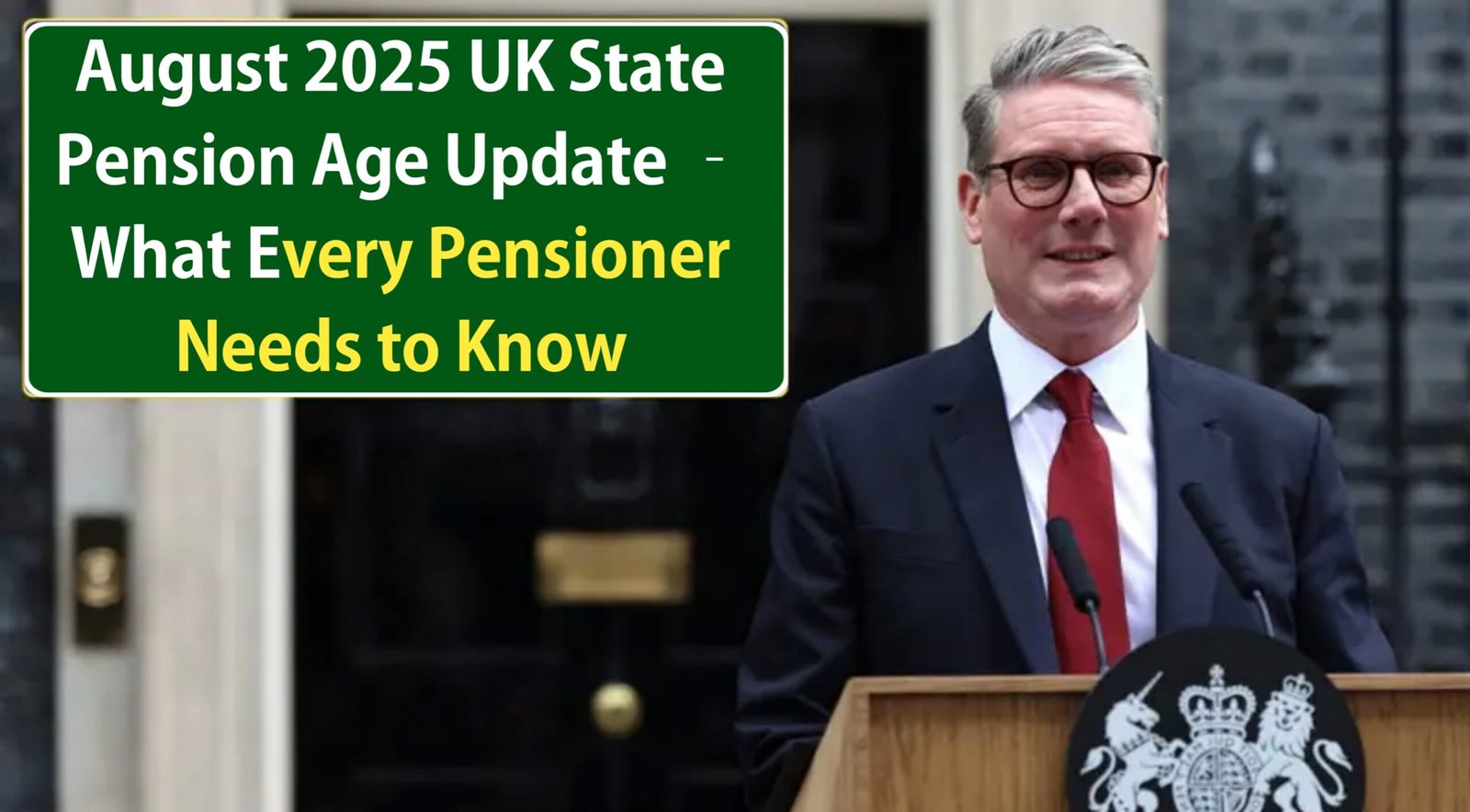
The UK’s State Pension system continues to evolve, and November 2025 marks an important moment for millions of retirees and soon-to-retire citizens. As life expectancy patterns shift, government spending increases, and the workforce changes, the State Pension Age (SPA) remains one of the most closely watched policy areas. This article explains what pensioners and future pensioners must know as we approach late 2025, what changes are expected, and how these updates may influence income planning, retirement decisions, and long-term financial stability. The goal is to make this complex topic easier to understand for ordinary UK readers without using confusing legal or policy language.
What Is the State Pension Age and Why Does It Keep Changing?
The State Pension Age is the minimum age at which you become eligible to receive State Pension payments from the UK government. Historically, this age differed for men and women, but it has now equalised and has been gradually increasing for everyone. The rising age is linked to longer life expectancy, the cost of funding pensions, and the need to ensure the system remains sustainable for future generations.
Over the past two decades, the SPA has shifted from 60 for women and 65 for men to 66 for both. Plans were already in motion to raise the age further in the coming years. November 2025 does not introduce a new age increase instantly, but it represents a crucial checkpoint, as the government’s review cycles and preparation timelines converge toward major future changes.
Why November 2025 Matters for Pensioners
November 2025 is significant because it is within the window when the government is expected to finalise and announce revisions related to the next State Pension Age increase. These announcements generally influence thousands of retirement plans, especially for people in their 50s and early 60s. It is a period when many pensioners start closely tracking information because these decisions determine when they can retire and how long they must work.
At this stage, several factors are being reviewed: demographic shifts, economic conditions, workforce numbers, and the fiscal position of the UK. Any adjustments are usually communicated with years of notice so that individuals have enough time to prepare.
Who Will Be Most Affected by 2025 State Pension Age Discussions?
The people most impacted by decisions taken in 2025 are those born in the early to mid-1960s, as they are closest to the age threshold. Anyone in the 50–62 age group should be particularly attentive to these developments. Even small changes—such as delaying SPA by a year—can significantly shift retirement planning, workplace arrangements, and personal finances.
Retirees already receiving pension payments are unlikely to face any direct age-related changes. However, they may still feel the impact in other ways, such as pension uprating decisions, cost-of-living measures, and inflation adjustments, which tend to be announced in parallel with SPA policy discussions.
How State Pension Age Decisions Are Made
Changes are never introduced randomly or without a structured review. The UK government typically follows a formal process that involves:
- Analysing life expectancy projections
- Evaluating workforce participation levels
- Assessing long-term budget pressures
- Collecting expert and public input
- Releasing a review report before announcing any final changes
November 2025 falls within the phase where the government consolidates all this information and prepares the next set of long-term pension guidelines. While nothing changes immediately on that exact date, it is a crucial month in the pension policy timeline.
Will the State Pension Age Increase Soon?
Although November 2025 is not expected to trigger an immediate rise to the SPA, it serves as a stepping stone to the next scheduled age increase, which is anticipated later in the decade. Many analysts and financial planners expect the SPA to move to 67 for all in the latter part of the 2020s and potentially to 68 in the early 2030s. These expectations create pressure and concern among workers who feel uncertain about how long they will need to continue working.
However, decisions made or announced around late 2025 will clarify the exact timetable, helping individuals finally understand the path forward.
Impact on People Planning to Retire Soon
For those planning to retire close to 2025 or shortly after, the key concern is whether new rules will push the SPA further away. People who were hoping to stop working at 66 may worry about losing eligibility. While nothing is definite until formal announcements are made, past practice shows that the government usually gives several years of notice. Therefore, sudden or immediate changes around November 2025 are extremely unlikely.
Still, individuals should remain flexible, stay updated, and consider building alternative retirement income streams such as personal pensions, workplace pensions, or savings.
What Pensioners Should Do in 2025
Even though November 2025 is primarily an information phase rather than an action phase, this period is a perfect opportunity for older workers and near-retirees to take a few important steps:
- Review your pension forecast to check how much you are expected to receive
- Verify your National Insurance contribution record for any gaps
- Seek advice on whether topping up NI contributions could increase your pension
- Look at workplace or private pension pots to plan additional income
- Adjust retirement timelines based on likely policy announcements
Taking these steps empowers you to handle any changes confidently rather than react at the last minute.
How This Affects Already Retired Pensioners
If you are already drawing the State Pension, the SPA discussions for 2025 do not directly apply to you. You will continue receiving payments based on the system currently in place. However, broader policy changes, financial reviews, and cost-of-living decisions announced around the same time may still influence your finances.
For example, pension uprating under the Triple Lock or any adjustments to supplemental benefits like Pension Credit may be confirmed during the same period, so it’s still a good idea to stay informed.
Relationship Between SPA and the Triple Lock
State Pension Age discussions often occur alongside Triple Lock announcements because both are critical to pension stability. While the SPA determines when you can receive payments, the Triple Lock decides how much you will receive. November 2025 is expected to be a month when pensioners closely monitor both issues.
The Triple Lock typically increases pensions based on whichever is highest: earnings growth, inflation, or 2.5%. Any updates to the Triple Lock—whether maintained or revised—will affect the income of millions of pensioners.
Financial Planning for an Uncertain Future
Uncertainty around SPA policy can be frustrating, especially for workers near retirement who need clarity to plan budgets, mortgages, and lifestyle decisions. However, November 2025 is a reminder that planning early is essential. Instead of relying solely on government pension changes, individuals should consider:
- Increasing private pension contributions
- Reviewing investment strategies for stability
- Building an emergency savings buffer
- Reducing unnecessary financial commitments before retirement
- Exploring part-time work options after retirement age
Good financial planning helps reduce the impact of any future policy changes.
What Experts Expect Going Forward
While no one can predict exact government decisions without an official announcement, the broader expectation is that the SPA will continue to rise over time. Economic conditions, demographic pressure, and global trends support this direction. November 2025 is anticipated to be the phase where the government signals its long-term intentions clearly.
Experts believe the increase to 67 is almost certain, but the timing—whether it happens early or later in the decade—will be a key point of interest as updates unfold.
Final Thoughts:
November 2025 stands as an important month in the UK pension timeline—not because it instantly changes the pension age, but because it sets the stage for future adjustments. Pensioners and soon-to-retire individuals should treat this period as a planning opportunity, remain aware of official announcements, and prepare for a likely upward shift in the State Pension Age in the years ahead.
Understanding the system, checking your NI record, and strengthening your financial plans are the best ways to stay secure regardless of how policy evolves.